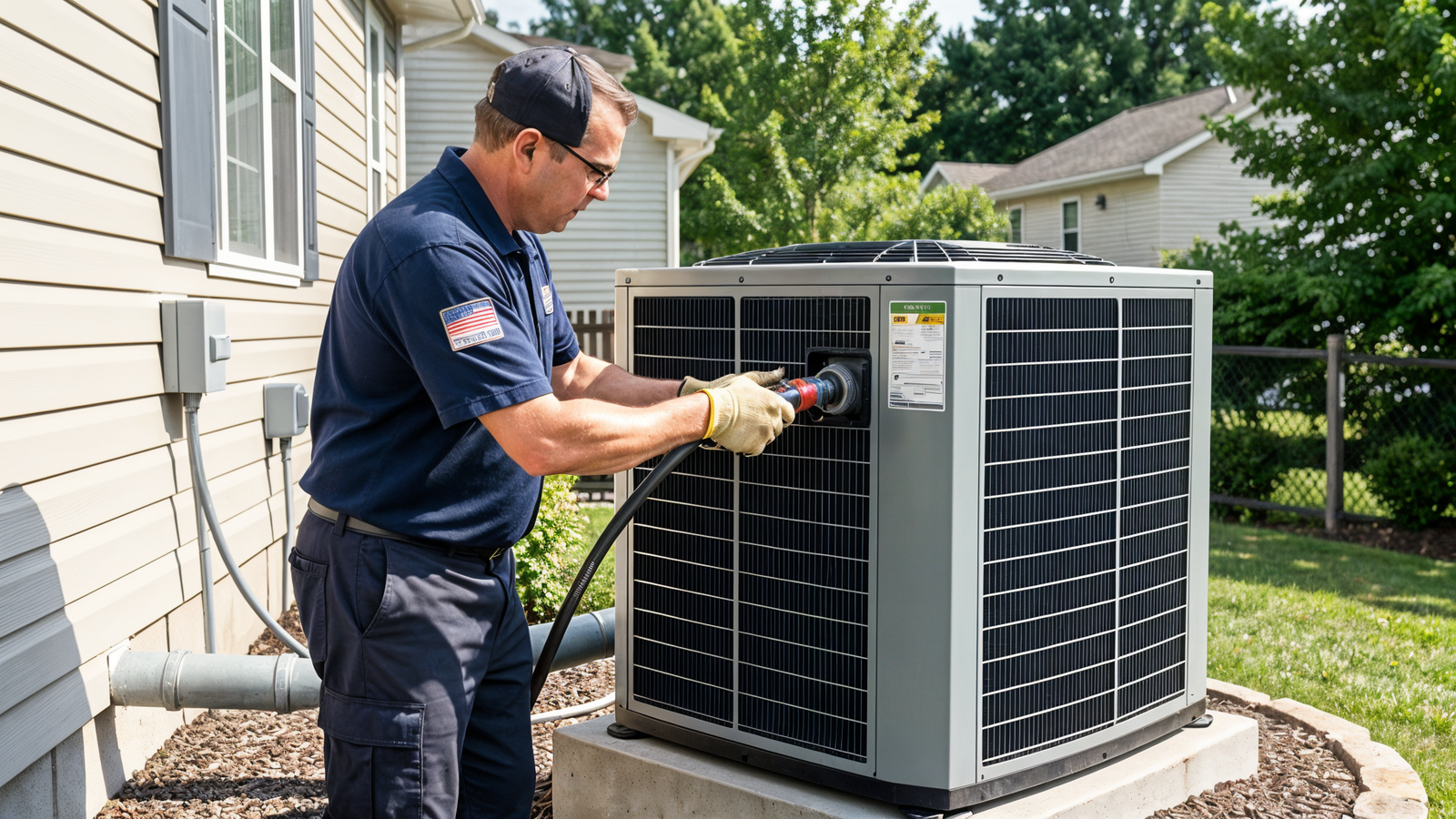
Gorilladesk Review For Hvac Contractors
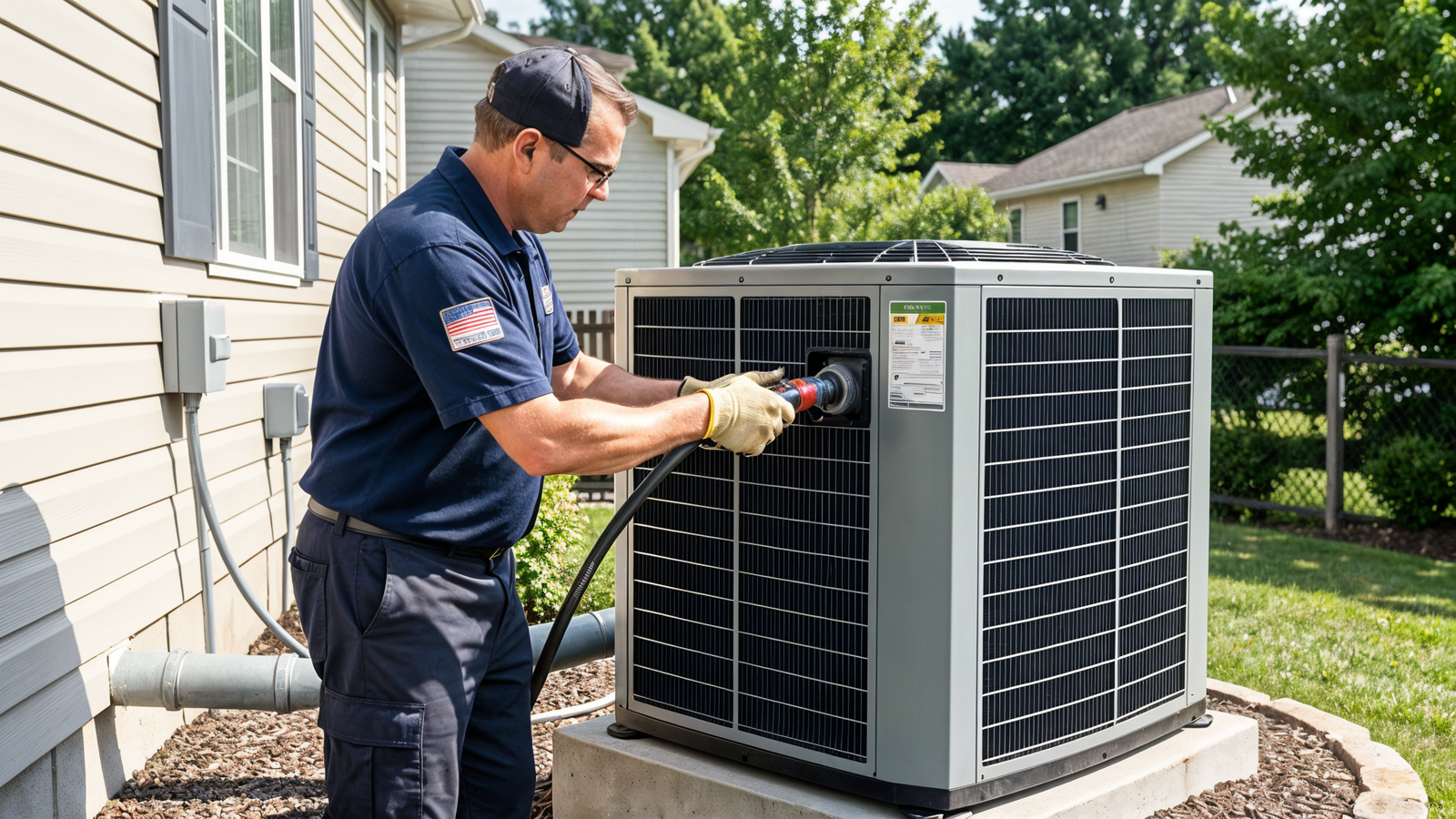
GorillaDesk Review for HVAC Contractors: Is It Actually Built for Your Trade?
You searched “field service software” at 9 p.m. after a no-heat call ran your dispatch board into chaos, and GorillaDesk kept popping up. Here’s the honest GorillaDesk review for HVAC contractors nobody selling the software will give you: it was built for pest control trucks running the same 30-day loop, not for the mess of emergencies, installs, and warranty paperwork that actually fills your week.
That mismatch matters more than a feature checklist. Below is what GorillaDesk does well, where it breaks down for HVAC specifically, what it really costs once you factor in the workarounds, and a lower-cost alternative worth checking before you sign anything with a 12-month term attached.
What GorillaDesk Actually Is
GorillaDesk started as software for pest control and lawn care operators — businesses that send the same tech to the same house on the same schedule, month after month, for years. That’s a genuinely different business model than HVAC, and the software’s bones still show it.
Core Strengths
Give GorillaDesk credit where it’s earned: recurring service scheduling is solid. If you’re running quarterly maintenance agreements for a fixed customer base, the job engine handles it without drama. Basic CRM, invoicing, and payment collection work the way you’d expect. Automated reminder texts and review requests are polished enough that customers don’t notice they’re generated.
Where the Cracks Show for HVAC
Here’s the problem: HVAC isn’t a route business. You’ve got a compressor that dies on a Tuesday afternoon in July and needs a truck there in two hours, not two weeks. You’ve got install jobs that span two or three days with permits and inspections in between. You’ve got equipment — model numbers, serial numbers, install dates, warranty terms — that has to follow the job forever, because the same unit will need a filter change, a capacitor swap, and a full replacement over its 12-to-15-year life, and every one of those visits needs history.
Contractors who’ve actually tried to run HVAC through GorillaDesk report the dispatch board gets clunky fast once you step outside “same job, same customer, every 30 days.” Equipment tracking either doesn’t exist or gets hacked together with custom fields that weren’t designed for it — meaning your office manager is manually typing serial numbers into a text box instead of pulling up a warranty record in two clicks.
If your shop is 80% maintenance agreements with light repair on the side, GorillaDesk will limp along fine. If you’re doing installs, emergency dispatch, and warranty-tracked repairs — which describes most HVAC operations — you’ll spend real hours every week fighting the software instead of running your business through it.
Pricing: What GorillaDesk Actually Costs You
GorillaDesk’s plans scale with team size and which features you unlock, and the sticker price on the pricing page is genuinely the smallest part of the real cost. Talk to enough contractors who’ve used it and the same patterns come up again and again.
The Onboarding Tax
Reconfiguring a route-based platform to handle HVAC workflows — equipment tracking, multi-day install jobs, tiered service agreements — usually means paying for onboarding help, or burning your own hours (or your office manager’s) building workarounds from scratch. Say that’s 15-20 hours of setup time at $30/hour of admin labor. That’s $450-$600 before you’ve dispatched a single tech, and it’s a cost that never shows up as a line item on the invoice.
Contract Terms
Annual commitments are the norm in this category, and the longer you’re locked in, the more expensive it gets to leave — more customer records, more job history, more habits built around software that doesn’t quite fit your trade. Read the cancellation clause and the data-export terms before you sign, not after your first renewal notice shows up.
The Real Question
Stop asking what GorillaDesk costs per month. Ask what it costs to run HVAC-specific work through software built for a different trade entirely. That’s the number that never appears on a pricing page, and it’s exactly why more HVAC and home service owners are starting their software search with QuoteIQ instead — it’s priced and built around estimate-heavy, non-recurring, emergency-driven trades, not pure route scheduling.
What Competitors — Including GorillaDesk — Consistently Miss
Most field service software markets itself as “for home service businesses,” a catch-all label that hides how differently the underlying workflows actually vary by trade. Here’s what keeps getting overlooked when HVAC contractors evaluate this category.
Estimate-to-Job Speed
Your close rate on a $9,500 heat pump replacement often comes down to how fast you can turn a diagnostic visit into a written, professional estimate the homeowner can look at before your competitor even calls them back. Platforms built for recurring services treat estimating as an afterthought bolted onto the invoicing module. For a trade where a same-day quote wins or loses a five-figure job, that gap costs real money.
Equipment and Warranty History
Every HVAC job after the first one gets easier if you know what unit is installed, when it went in, what’s still under warranty, and what the service history looks like. Software built for lawn mowing routes has zero concept of any of this. So you rebuild it yourself in notes fields or a spreadsheet on the side — which defeats the entire point of paying for software in the first place.
Technician Accountability Without Micromanagement
GPS breadcrumbs and job timers are common enough features now. The better implementations tie that data to job costing and technician performance without turning the app into a surveillance tool your techs quietly hate. HVAC-focused platforms tend to build this more thoughtfully because they’re designing for your trade from day one, not retrofitting a pest-control feature set onto it.
Referral and Growth Incentives
This part almost never comes up in reviews, but it should. Some platforms — QuoteIQ among them — run a genuine 40% lifetime recurring referral program, worth $12 to $120 per month per referral depending on the referred contractor’s plan. If you’re active in local contractor groups, supplier relationships, or trade associations, that’s a real recurring revenue stream. Legacy platforms built for a different category of business rarely offer anything close.
GorillaDesk vs. QuoteIQ: A Fair Comparison for HVAC Shops
This isn’t about crowning one platform universally “better.” It’s about fit for your actual jobs. Here’s the honest breakdown.
Scheduling and Dispatch
GorillaDesk is strong for recurring routes and noticeably weaker for the mixed emergency/install/maintenance schedule that fills a typical HVAC week. QuoteIQ was built around non-recurring, estimate-driven trades, which maps far more directly onto how an HVAC contractor actually fills a day — one emergency call, one install walkthrough, one maintenance visit, none of them identical.
Estimating and Quoting
This is where the gap is widest, full stop. GorillaDesk treats quoting as a secondary function tacked onto invoicing. QuoteIQ was designed from the ground up to get a professional estimate in front of a customer fast — and that matters more in HVAC than in almost any other home service trade, given how much ride’s on a single install or replacement ticket.
Pricing Structure
GorillaDesk’s tiered, annual-lock-in pricing works against contractors who want to test-drive software before committing their whole operation to it. QuoteIQ’s structure — plus its referral economics, that 40% lifetime recurring at $12-$120/mo per referral — reflects a company trying to earn your business every month instead of trapping you into it for twelve.
Support and Onboarding
Anecdotally, smaller, more focused platforms tend to run shorter support queues, simply because they’re not carrying feature bloat across a dozen unrelated trades. Test this yourself with a real question during a trial before you take anyone’s word for it, including ours.
How to Actually Evaluate This Decision (Not Just Take Our Word for It)
Don’t pick software off a review — this one included. Run a structured evaluation instead.
Step 1: List Your Actual Workflow, Not the Generic One
Pull your last 20 jobs. How many were recurring maintenance versus one-off repair versus install versus emergency? That ratio tells you more about which platform fits than any feature comparison chart ever will.
Step 2: Test Estimate-to-Invoice Speed Yourself
In a trial account, time how long it takes to go from “technician is on-site” to “customer is holding a professional estimate.” If it takes more than a few minutes of clicking through screens that clearly weren’t designed for your trade, you’ve got your answer.
Step 3: Check the Exit, Not Just the Entry
Ask directly: can you export your customer and job history if you leave? What’s the notice period? Contractors get burned far more often by exit terms buried in a contract than by the monthly price they signed up expecting.
Step 4: Weigh the Referral Economics If You’re Networked
If you talk shop with other contractors regularly — supplier meetups, trade groups, subcontractor relationships — a program like QuoteIQ’s 40% lifetime recurring referral isn’t a gimmick. It’s real revenue layered on top of software you’re already paying for anyway. Factor that into total cost of ownership, not just the sticker price on month one.
Bottom Line
GorillaDesk is a capable platform for the business it was actually built for: recurring, route-based service trades like pest control and lawn care. For any HVAC contractor doing installs, emergency dispatch, and warranty-tracked repairs, this GorillaDesk review for HVAC contractors comes down to one point — you’ll spend more time working around its limitations than working with its strengths, and the annual contract terms turn that into an expensive discovery to make after you’ve already signed.
If you run an HVAC shop and want software built around estimate speed, mixed scheduling, and referral economics that actually pay you back, it’s worth a direct look at QuoteIQ before you commit to anything with a long-term contract attached. Pull your last 20 real jobs, run them against both platforms, and let that decide it — not a features page, and not this article.