Service Dispatch Software for Pest Control
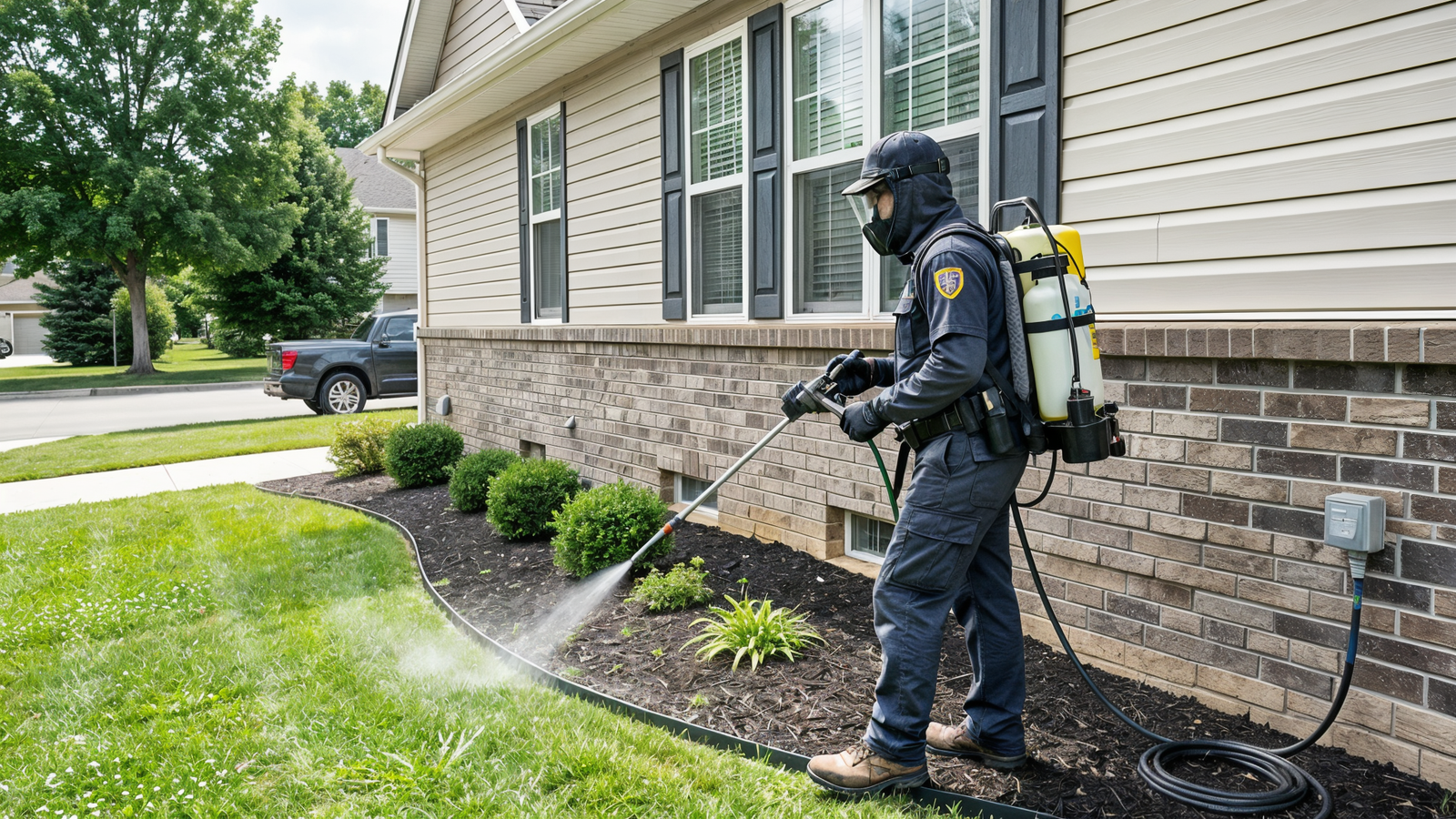
Service Dispatch Software for Pest Control: What Actually Matters When You’re Running Routes, Not Reports
It’s 9:47 PM and you’re staring at a spreadsheet tab, trying to figure out why Mike’s route has him driving 22 minutes across town twice tomorrow while Dave’s truck sits idle for an hour. Sound familiar? If you’re searching for service dispatch software for pest control, you already know the real cost of bad routing: double-booked technicians, callbacks nobody logs, and a customer on hold asking where their guy is.
Pest control doesn’t run like a one-off repair business. It runs on recurring service — quarterly termite inspections, monthly rodent accounts, seasonal mosquito programs that spike hard from April through September and go quiet the rest of the year. If your dispatch software treats every visit like a brand-new work order, it’s fighting your business model instead of running it. That’s not a small inefficiency. For a 6-truck operation doing 40-50 stops a day, it can mean two or three missed recurring services a week — and each missed quarterly account is real revenue walking out the door to a competitor who showed up on time.
This isn’t a feature-list comparison you’ll forget in ten minutes. It’s a breakdown of what dispatch software actually has to do for a pest control operation, where most platforms quietly fall short, and what a lean 1-15 person shop should be looking for before signing anything.
Why Generic Field Service Software Falls Short for Pest Control
Most dispatch platforms started life as HVAC or plumbing tools. Pest control features got bolted on afterward, almost as an afterthought. That shows up in three specific places, and if you’ve used one of the big-name platforms, you’ve probably hit all three.
Recurring Service Isn’t a “Nice to Have” — It’s the Business
A termite bond renewal that gets missed isn’t a scheduling hiccup — it’s a liability exposure and a customer who now assumes you dropped the ball. Pest control lives and dies on recurring accounts: bi-monthly general pest, quarterly termite inspections, seasonal mosquito programs that need to auto-pause in November and auto-resume in March. If your software treats every job as a one-off, you’re manually recreating recurring jobs every single cycle. Do that across 200 active accounts and you will eventually fat-finger a copy-paste job, sending a tech to 412 Oak Street instead of 421 Oak Street.
Route Density Beats Route Speed
A pest tech running 12-18 stops a day doesn’t need the shortest path between two points — they need a route built for density inside a service zone. Generic dispatch tools optimize like a food delivery app: point A to point B, fastest time. Pest control needs zone-based routing that respects service agreements, technician certifications (a termite license isn’t the same as a general pest applicator license), and the actual time windows customers agreed to when they booked. Get this wrong and you’re paying for 45 minutes of windshield time a tech shouldn’t be logging.
Chemical and Compliance Tracking Gets Ignored
EPA and state-level pesticide application records aren’t optional paperwork you fill out because someone might ask. They’re your liability protection if a customer’s kid gets sick or a state inspector shows up unannounced. Software built for generic trades has zero concept of chemical logs, application rates per square foot, or license expiration tracking per technician. So pest control companies end up running a second system — sometimes literally a three-ring binder in the truck — just for compliance. That defeats the entire point of paying for “one platform to run the business.”
The takeaway: if a platform can’t natively handle recurring cycles, route density, and compliance logging, you’re paying for software that makes you do extra work to compensate for its blind spots.
What Competitors in This Space Consistently Miss
There’s no shortage of field service software claiming to serve pest control. Here’s where most of them quietly fail small operators who don’t have a back office.
They Price for Enterprise, Not for a 3-Truck Operation
A lot of the “leading” platforms in this category were built for pest control franchises running 50+ technicians across multiple states. Their pricing tiers, onboarding calls, and support model all assume you have an office manager and an IT contact on speed dial. If you’re a 1-15 person shop, you’re paying enterprise pricing for enterprise complexity you will never touch — modules for multi-region reporting, franchise royalty tracking, features you’ll never open past week one.
They Bury Quoting Behind a Sales Call
Getting a quote out the same day matters enormously in pest control. Someone calling about a wasp nest under their deck or roaches in the kitchen wants a number now, not a callback tomorrow at 2 PM. Plenty of platforms make instant, professional quoting an afterthought buried behind a clunky multi-step form, when quoting fast should be the single easiest thing you do in the software.
They Treat Payments as a Separate Problem
Dispatch in one tool, invoicing in a second, payment collection in a third — that’s where small operators actually lose money. Not hypothetically. Literally, in unpaid invoices that fall through the cracks between three different logins nobody checks consistently.
They Ignore the Owner-Operator Reality
Most small pest control businesses are run by the owner — who’s also driving a route most days. Software that requires a dedicated admin just to keep the system fed with accurate data isn’t built for you. It’s built for the business you might have in five years, not the one you’re running today.
This is exactly the gap a platform like QuoteIQ is built to close — dispatch, quoting, and payments in one place, priced and designed for the operator who’s still answering their own phone at 7 AM.
Core Features Your Dispatch Software Actually Needs
Strip away the sales language and here’s the functional checklist for pest control dispatch software specifically.
Recurring Job Automation
The system should auto-generate recurring service jobs off a contract cycle you set once — monthly, quarterly, seasonal — and flag you when a renewal’s coming up or a customer’s cycle is falling behind schedule. You shouldn’t have to remember which of your 300 accounts are due this week.
Real-Time Technician Tracking and Route Optimization
You need to see exactly where every truck is right now, reroute on the fly when a same-day bed bug call comes in, and assign jobs based on proximity and certification — not a guess based on who you think is closest.
Instant, Professional Quoting
A homeowner calling about carpenter ants wants a quote fast, not a promise of a callback. Software that lets you build and send a branded, itemized quote from your phone in under two minutes closes more jobs than one that requires you to be back at a desktop with a laptop open.
Integrated Invoicing and Payment Collection
Invoicing should fire automatically off the completed job, with card and ACH payment collection built into the same platform — not routed through a separate processor with its own dashboard, its own fees, and its own reconciliation headache at month’s end.
Customer Communication and Reminders
Automated appointment reminders, arrival notifications, and post-service follow-ups cut down no-shows and reduce the “wait, when’s my next treatment?” calls eating up your receptionist’s morning — or yours, if you’re the one answering the phone between stops.
Reporting That’s Actually Usable
You don’t need forty dashboards you’ll never open. You need to know, at a glance, which techs are most efficient, which service areas are most profitable, and which customers are near renewal or at risk of churning to a competitor.
Choosing the Right Platform for a Small Pest Control Operation
For an operator running 1-15 employees, the decision comes down to fit, not feature count.
Match the Tool to Your Headcount, Not the Vendor’s Biggest Client
Ask directly: is this platform’s pricing and onboarding built for a business your size, or is it a scaled-down version of an enterprise tool with the fancy modules hidden? The difference shows up fast — in how quickly support answers, and how much setup work lands on your plate versus theirs.
Prioritize All-in-One Over Best-of-Breed (At This Stage)
When you’re small, the cost of stitching together separate dispatch, quoting, and payment tools — measured in hours of your week, not just dollars — usually outweighs any marginal feature edge of a specialized point solution. This is where QuoteIQ earns a serious look: it consolidates dispatch, instant quoting, and payment collection into one platform built around a small operator’s margins and time, not an enterprise IT budget.
Test the Mobile Experience Yourself
If you or your techs live in the field all day, the mobile app is the product. Don’t take a sales deck’s word for it. Pull it up on your own phone, try building a quote standing in a driveway, mark a job complete, check a route. If it’s clunky in five minutes, it’ll be clunky every single day you’re paying for it.
Confirm Recurring Billing Actually Works the Way Pest Control Needs It To
Ask specifically how the platform handles a customer on a quarterly plan who needs a one-off treatment mid-cycle, or a seasonal mosquito program that needs to pause in the fall and pick back up in spring without you rebuilding the whole schedule. Vague answers here turn into manual workarounds three months from now.
Why QuoteIQ Fits the Small Pest Control Operator Specifically
Worth calling out directly: QuoteIQ is built around the exact pain points covered above — fast, professional quoting from the field, dispatch and route visibility without the enterprise bloat, and payment collection tied directly to completed jobs so nothing falls through the cracks between systems. For an owner-operator or a small crew of three or four techs, that consolidation is the difference between running the software and the software running you.
It’s also structured with straightforward, scalable pricing rather than a tiered enterprise contract — which matters a lot when you’re trying to prove ROI on a new tool without locking into a year-long commitment before you even know it fits how your routes actually run.
The Bottom Line
Dispatch software should remove friction from your day, not hand you a second job managing the software itself. For pest control specifically, that means recurring service handled automatically, routes built around real service density instead of guesswork, quotes that go out in minutes instead of a day later, and payments collected without a separate system to babysit. Most platforms in this space were built for someone else’s business — a 50-truck franchise, not the lean local operation you’re actually running.
If you’re managing 1-15 people and doing real work in the field every day, don’t settle for service dispatch software for pest control that was designed around someone else’s headcount. Ready to see how it fits your routes? Check out QuoteIQ here and find out whether it’s the platform that finally stops running your evenings for you.